The term “skunkworks” comes from Lockheed Martin and originally referred to a secretive team building experimental aircraft during World War II. These days, it’s tech shorthand for small, scrappy groups that work independently and solve problems faster by skipping formal…
Embedding Accessibility SMEs in Remote Teams
The longer I work in accessibility, the more convinced I become that organizational structure is what determines whether accessibility efforts succeed or stall. Intent is merely a small component of success. Companies love centralizing accessibility teams, until time zones, handoffs,…
When “Neutral” Isn’t Really Neutral: 12 Everyday Practices That Disproportionately Impact People with Disabilities
Policies don’t need to mention disability to be discriminatory and ableist. Many systems, requirements, and social norms present as “equal treatment” while quietly erecting barriers that disproportionately exclude people with disabilities. This exclusion isn’t always malicious or even intentional. However,…
The Screen Reader Stutter: Why Your Content Repeats Itself and How to Fix It
Screen reader users hate it when things announce twice. Some people call this “WCAG Stuttering.” Repeated announcements are completely unnecessary and slow down assistive technology users. But one thing they hate more than slow is ambiguous. Clarity leads to screen…
The Other Half of Accessibility: Why Soft Skills Determine Whether Programs Succeed
Introduction When it comes to accessibility management, success is not about ticking boxes or meeting minimum requirements. It’s about creating an environment where everyone, regardless of their abilities, can thrive and feel included through equitable treatment. This end-state requires a…
True Disability Inclusion Requires Planning for the Unexpected
When we talk about accessibility, people often focus on the thing: the ramp, the captioning, the hearing device, the accessible stall, the screen reader. But physical accessibility is only about the presence of a tool. It’s about what happens when…
Adapting ChatGPT to Meet Neurodivergent Communication Needs
ChatGPT can be challenging for some neurodiverse people because it often relies on implied meaning, figurative language, and rapid topic shifts that may not align with the way they process information. Responses can be too long, unstructured, or contain unnecessary…
Nested Scroll Bars Are the One of the Biggest Accessibility Evils, Ever
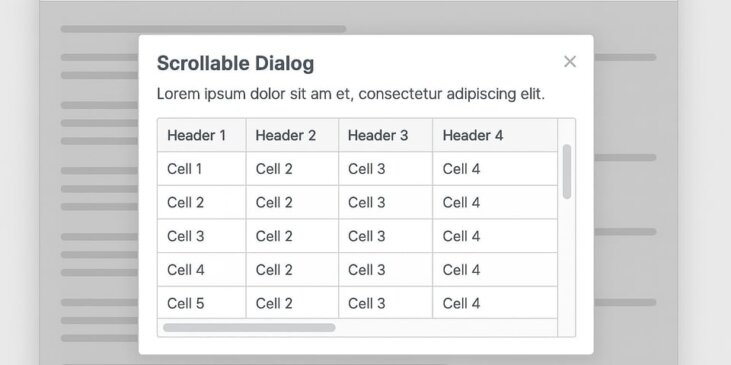
You can violate many WCAG Success Criteria and still have your website be nominally usable by users with disabilities. Sometimes, the bigger problem is accessibility problems that are exacerbated by usability programs. Nested scroll bars don’t just trip up users;…
Do you know your ADA Digital Accessibility Risk?
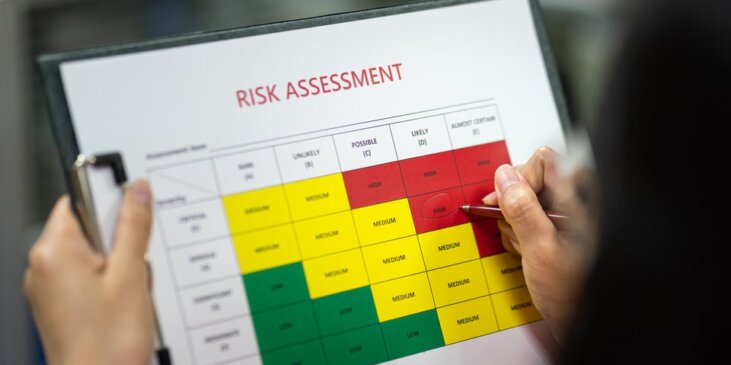
The first half of 2025 brought another surge in digital accessibility lawsuits. Between January and June, plaintiffs filed more than 2000 lawsuits in U.S. federal courts alleging that websites, mobile apps, or digital platforms were inaccessible. That represents a 37…
Locking In Accessibility: How Smart Procurement Language Protects Your Organization
Your organization works hard to build accessible digital experiences. But all of that effort can be undermined the moment you sign a contract with a vendor who hasn’t done the same, or maybe is accessible at the beginning of the…