Two things happened to me that appear to have nothing to do with each other.
1) A stranger lectured me in a gourmet grocery store about a container of pre-chopped onions.
2) A few days later, I spent another evening fruitlessly in search of a pair of hands-free sneakers.
They are the same story told twice. The story is about what it costs to be a disabled consumer and who feels entitled to comment on it.
The Produce Aisle
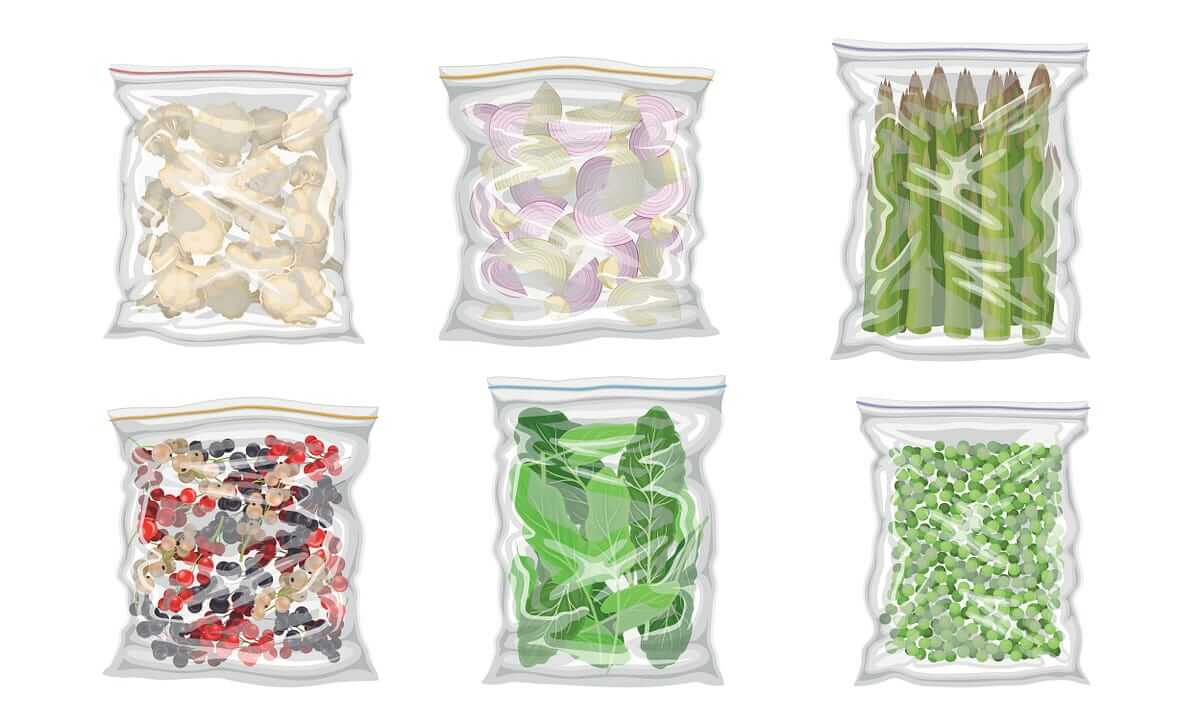
I use a wheelchair, and I’ve had severe arthritis in my hands since my late 30s. I was parked in front of the refrigerated case, loading my lap with a tub of diced onions and a container of chopped bell peppers, when an older woman stopped her cart next to mine. She told me that buying vegetables someone else had already cut was lazy and that the plastic those vegetables come in is why the oceans are full of garbage. She was not whispering. Two other shoppers heard the whole thing and conspicuously stared at the salad dressing.
I did not argue with her. I have had that argument before, and I have never won it. What follows is what I would have said if the produce aisle were a reasonable place to discuss disability economics.
What Pre-Chopped Onions Actually Buy Me
Kitchen counters are built for a person standing at them. From a seated position, the counter sits at roughly chest height, which changes everything about knife work. A standing cook pushes down through the blade using body weight and gravity. A seated cook pushes forward and up, using shoulder and wrist strength alone, on a surface they cannot see. Add grip limitations and accumulated fatigue, and dicing an onion stops being a two-minute job. It becomes a fifteen-minute job that costs me the energy I needed for the rest of the meal, performed with a sharp object at chest level above my own lap.
So my realistic weeknight options are a tub of diced onions, a frozen entree, takeout, or asking someone to come cut vegetables for me on my schedule. Only one of those options ends with me cooking my own dinner without arranging my life around somebody else’s availability. That is what the plastic tub purchases, and I pay a markup for the privilege.
This Argument Has a Long Track Record
There is a name for what happened in that aisle. Disability writers call it eco-ableism, and the pattern is well documented. In 2016, a peeled orange sold in a plastic cup became a viral symbol of consumer waste, and disabled writers pointed out that a peeled orange is a food a person with limited hand function can eat unassisted. When a New York grocery store offered to chop customers’ produce to order and package it in the customer’s containers, commentary described customers as spoiled and incapable of functioning as independent adults. TL;DR: it is always the consumer’s fault.
Plastic straw bans produced the same collision of worldviews. Disabled people who cannot lift a glass, or who have swallowing and motor control issues, rely on flexible plastic straws, and the substitutes proposed by ban advocates do not bend, do not tolerate hot liquid, present a choking risk, or quickly become soft and unusable. The disability community has spent years explaining this to people who have decided the straw was a symbol of decadence.
The common thread is that the criticism always lands on the smallest and most visible target, and that target is usually a disabled person just trying to eat.
The Packaging Argument Is Aimed at the Wrong Party
Nobody in this conversation is defending single-use plastic. If I could bring in my own containers, I would, but the produce manager’s whisper is “the health department won’t allow it,” which is really code for “it is too much trouble to figure it out.” Disabled households throw away more packaging than average precisely because the goods we depend on arrive wrapped, and we would be first in line to buy the same products in compostable or genuinely recyclable containers. Side note: the amount of packaging to live as a type 1 diabetic on an insulin pump is mind-boggling. Disability Rights UK has made this point directly in its work on plastic waste: cut unnecessary packaging while protecting the packaging people need, and price it so healthy food isn’t a luxury purchase.
Publicly shaming the person holding the tub does not move a single manufacturer toward better materials. That tub also has a price attached. Pre-cut produce costs meaningfully more per pound than the whole vegetable and spoils faster, so I buy it more often. This is one line item in what the disability community calls the crip tax. Research from the National Disability Institute and its academic partners estimated that a household containing an adult with a work-limiting disability needs roughly 28 percent more income, about $17,690 more per year at the median, to reach the same standard of living as a comparable household without a disabled member precisely because of these higher costs.
The Shoes I Cannot Buy
This brings me to footwear. I have been trying to buy a pair of Nike hands-free shoes, and not as a novelty item. Bending forward to put on and fasten a shoe, from my wheelchair, with hands that do not cooperate and feet that do not bend, is one of those small daily tasks that takes me much longer than someone without my disabilities. Hands-free shoes have hinges and a tensioner: the shoe opens on its own, closes under the weight of your own foot, and needs no laces, no hands, and no bending.
The original Nike Go Flyease shoes sold out within minutes of release and immediately appeared on resale sites with reported asking prices as high as $2,000 per pair. Nike had marketed the shoe broadly, describing customers including a student racing to class and a parent with full hands, then released it in limited quantities. The predictable result was that disabled buyers competed with resale bots for a product designed around their needs, and lost. Working-age adults with disabilities are about twice as likely to live in poverty as their nondisabled peers, so a $120 shoe at a resale price many times that amount is out of reach for the people it was built for.
Two Sizes, Two Pairs, One Return Label
A second obstacle is pure retail policy. My feet are different sizes, which is common among people with mobility disabilities, amputations, or long-term differences in how weight is carried. Also, my shoes have to be extra wide to fit in my leg braces.
Nike doesn’t sell mismatched pairs. When a hands-free style is actually in stock, I would need to buy two full pairs directly from Nike, keep one shoe from each, and ship the leftovers back. That means I front the cost of two pairs, wait for a refund that arrives whenever it arrives, generate two boxes and two rounds of shipping in each direction, and depend on getting a return package to a carrier within the return window. I have to return directly rather than through a third party because the direct return process is the only one I can rely on to refund a mismatched pair without an argument.
Note the packaging arithmetic there. To buy one usable pair of accessible shoes, I generate four shoe boxes worth of shipping waste, plus two return shipments. The woman in the grocery store would find that upsetting. I find it upsetting. But this is the world I live in.
This problem has a known solution. Zappos Adaptive launched a single-shoe, different-size program in July 2020, selling individual shoes at roughly half the price of a pair and allowing customers to assemble mixed-size pairs at no additional cost, with free shipping and a 365-day return window. Nike was among the launch brands. Six years later, buying two sizes of a Nike adaptive shoe still requires buying two pairs. Zappos solved the operational problem in 2020, but most brands still haven’t adopted it as standard practice.
What These Two Stories Share
The common denominator is that accessibility is treated as a specialty item rather than as ordinary inventory. Specialty items are scarce, priced at a premium, released in limited runs, stocked inconsistently, and sold with the assumption that buyers have flexibility, savings, and time. Disabled buyers frequently have less of each.
The disabled consumer absorbs the cost in money, energy, and the waste generated by workarounds that exist because a retailer will not split a pair of shoes. Then a stranger in an aisle tells me that my disability-related needs are actually a personal failing.
What I Am Asking For
- Grocery chains should keep selling pre-cut produce, move it into recyclable or compostable packaging, and narrow the price gap between cut and whole produce.
- Footwear brands should offer single shoes and mismatched-size pairs as a permanent option, not as a pilot program at a single retailer.
- Brands should stock adaptive products as regular inventory instead of limited drops, and should not market accessible design to the general public while manufacturing it in collectible quantities.
- Sustainability advocates should focus on packaging manufacturers and regulators, who can change materials at scale, rather than on individual shoppers.
- Anyone else who sees a disabled person buying convenience food should consider that the convenience may be the only reason that person is eating a vegetable at all, and keep walking.
I paid for the onions, and the fajitas were lovely. I’ve given up on the shoes.