October is Dyslexia Awareness Month, reminding us that accessible design directly influences how millions read and engage with digital content. Dyslexia impacts fluency, comprehension, and reading comfort, but careful accessibility practices can lower those barriers. Although there isn’t a single “fix,”…

Why Every Search Needs an Announced Empty State
We’ve all done it; Run a search and found no matches. Sometimes it’s because of a typo. Sometimes, it’s that there truly is nothing that matches what you are looking for. People without disabilities can easily find their mistakes or…
Why training alone is never the solution to ableist behavior
There is a three-party storyline that frequently appears in social media: Disabled person goes to a retail outlet (or school, hospital, restaurant, church or any other place of public accommodation). Someone at this location treats the disabled person horribly. The…
Accessibility Considerations for Off-Site Navigation and Downloads
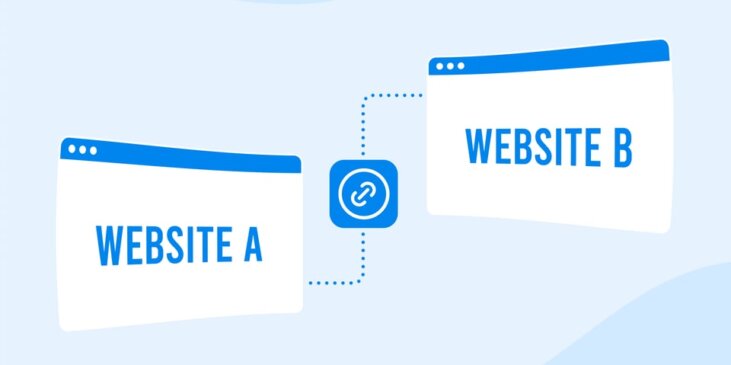
When a website links to content it does not own or control, it is easy for assistive technology users to miss that they’ve ended up on a different domain that likely has different accessibility, privacy, and security controls than the…
Sometimes the Best Accessibility Fix is a Usability Fix
Teams often arbitrarily divide work into two piles: “UX defects” and “accessibility defects”. That split creates the belief that accessibility is an add-on rather than a dimension of good design. In practice, accessibility gains often come from fixing ordinary UX…
Why Separate Guest and Logged In States Create Accessibility Barriers
Do you have differing logged-in and logged-out experiences for your users? Do you merge the two when someone logs in? If you don’t, you are creating accessibility barriers. People often think of accessibility as something that happens on the surface…
Why You Need to Close Open Objects When Users Navigate Away
Imagine opening a dropdown, expanding an accordion, or opening a dialog box, then following a link that loads a new object. The old object is still programmatically marked as open. That means it lingers in the accessibility tree. If you…
When Accessibility Progress Plateaus: How to Regain Momentum
Most of the time, accessibility programs usually don’t fail suddenly; they quietly stall. Fewer people are trained, bug fixing slows down, and the accessibility dashboard (which executives no longer watch) plateaus. In extreme cases, accessibility can revert from a program…
How to Avoid Boiling the Accessibility Ocean
Accessibility is often framed as a gigantic task that requires attention to everything at once. People sometimes describe that type of endless activity as “boiling the ocean.” The phrase reflects how things feel when accessibility relies on a small group…
Accessibility Contractors Have Their Place-But It’s Not Everywhere
The all-contractor “accessibility team” has become an increasingly common pattern in organizations trying to build some semblance of an accessibility program while avoiding headcount limits and long-term commitment in expensive locations. While it appears to be an attractive shortcut, unless…